Lakefront Living in Maitland: Lakefront vs Lake-Access
July 2, 2026
July 2, 2026
Dreaming about mornings by the water in Maitland? You are not alone, but lake living here comes with more nuance than a pretty view. If you are weighing a lakefront home against a lake-access property, understanding the difference can help you avoid surprises and buy with more confidence. Let’s dive in.
Maitland has a strong lake identity. The city says it includes 21 scenic lakes within just 6.5 square miles, and its Lakes Management Division oversees lakes, canals, waterways, shorelines, and water quality.
That matters because owning near the water in Maitland is not only a lifestyle choice. It also means buying into a managed shoreline environment where access, maintenance, and permitting can directly affect how you use the property.
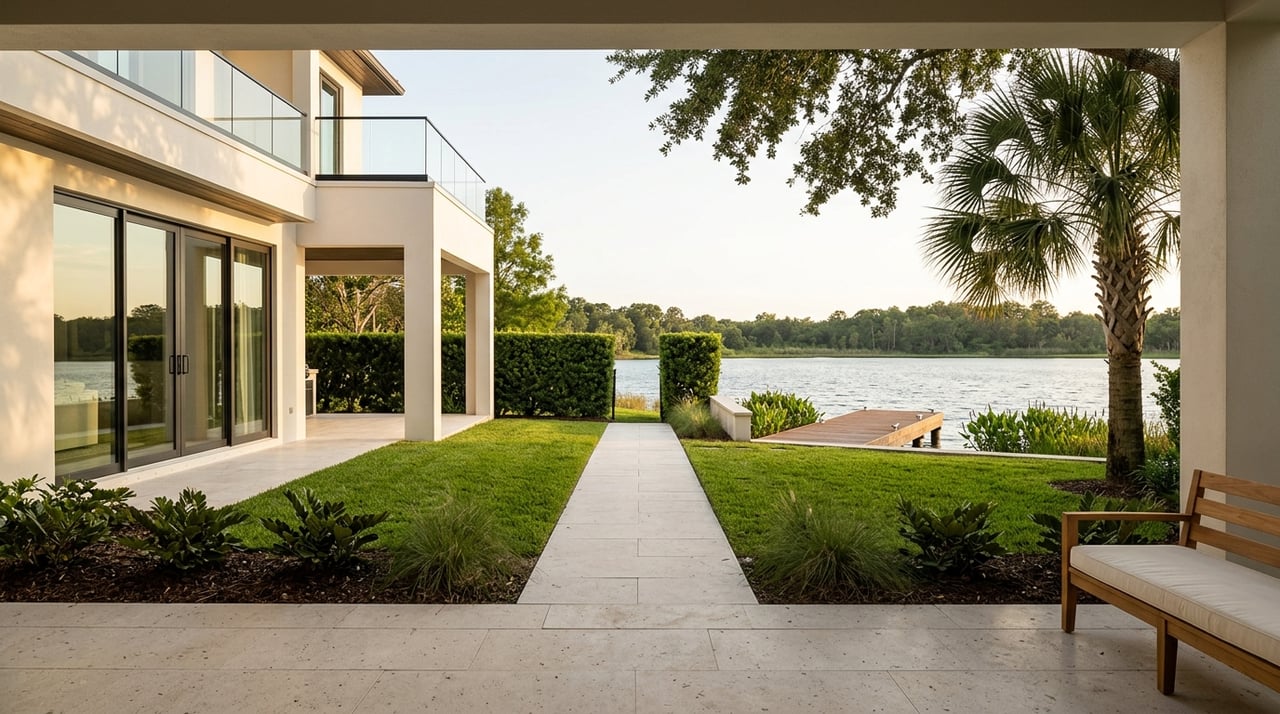
A lakefront home usually means your lot directly touches the water. In practical terms, that often gives you direct shoreline adjacency, water views, and the possibility of private waterfront features, subject to city rules and permitting.
For many buyers, this is the most desirable setup because it creates easy day-to-day access for boating, paddling, or simply enjoying the setting. It can also come with more responsibility for shoreline condition and waterfront improvements.
A lake-access home usually means you can use the water without owning the shoreline itself. That access might come through shared rights, a community dock, an HOA-managed launch area, or nearby public ramp use.
This can be a great option if you want the lifestyle benefits of being near the water without the same level of direct shoreline ownership. Still, the value depends heavily on how convenient and clearly defined that access really is.
In Maitland, the difference is especially important because waterfront structures and shoreline alterations require city permits. The city has a specific waterfront structure permit for items like docks, boat slips, and seawalls.
So when you compare homes, do not assume that every dock, seawall, or shoreline feature carries the same legal status or future usability. Two homes may both be marketed as water-oriented, but the ownership rights and obligations can be very different.
Maitland also offers public boating access to the Maitland/Winter Park chain-of-lakes. Access points include Fort Maitland Park in Maitland and Dinky Dock in Winter Park.
That is helpful context for buyers because it shows that enjoying the water does not always require owning a lakefront lot. At the same time, public access is very different from stepping into your backyard and launching from your own shoreline or private dock.
Maitland’s broader market gives a useful baseline. Realtor.com’s May 2026 snapshot shows a $525,000 median listing price, a $540,000 median sold price, 56 median days on market, and a 96% sale-to-list ratio.
One lake-oriented neighborhood example, Moorings on Lake Maitland, showed a $542,500 median listing price. That suggests some lake pockets can land near or above the citywide baseline, though each property still needs to be evaluated on its own merits.
National 2026 research from Zillow found that waterfront homes sold for 3% more than expected and homes with docks sold for 5.4% more than expected. In Maitland, though, any premium can shift based on frontage, views, dockability, shoreline condition, lot depth, and whether access is deeded, shared, or public.
With lake properties, price per square foot tells only part of the story. A home with direct water frontage, legal dock rights, and a well-maintained shoreline may offer very different value than a similarly sized home with limited or shared access.
Water quality also plays a role. Maitland notes that runoff can contribute to poor water quality, algal blooms, and shoreline erosion, so buyers are often evaluating the condition of the lake as much as the condition of the house.
For many people, lake living in Maitland is about everyday quality of life. Boating, kayaking, views, wildlife, and time outdoors are all part of the appeal.
The city’s Marine Patrol references multiple waterways within city limits, which reflects how active water recreation is in the area. If your ideal day includes being outside and staying connected to the water, a lake-oriented home can support that lifestyle in a very real way.
Lake-access properties can also deliver some of that experience with a lower barrier to entry. If direct frontage is out of budget or feels like more upkeep than you want, access rights may still give you the lifestyle you are after.
Waterfront living can mean more upkeep. Maitland warns that stormwater runoff can degrade water quality and erode shorelines, and invasive plants such as water hyacinth can clog waterways and make boating and fishing more difficult.
That means buyers should look beyond curb appeal. The lake edge, drainage, vegetation, and existing waterfront improvements all deserve careful attention.
Lake ownership can also affect how you maintain your yard. In Maitland, nitrogen- and phosphorus-based lawn fertilizers are prohibited from June 1 through September 30.
This is one example of how lake living connects to environmental stewardship. It is smart to understand these rules early so your expectations match the reality of ownership.
If you are serious about a lakefront or lake-access home, asking the right questions can save you time and money. These are some of the most important ones to bring up.
Start with the basics:
This sounds simple, but it is one of the most important distinctions in your search.
Not all access is equal. Ask whether the water access is:
The more clearly defined the rights are, the easier it is to understand the property’s long-term value and usability.
If the property has a dock, boat slip, seawall, or prior shoreline work, ask whether the improvements were properly permitted and whether they are current. Maitland requires permit approval before removing aquatic plants or altering shorelines, and it has a specific permit category for waterfront structures.
This step matters because unpermitted work can create headaches later. It may affect repairs, replacements, or your ability to make changes after closing.
Not every lake offers the same experience. Ask which lake the home sits on and whether it connects to the Maitland/Winter Park chain-of-lakes.
That answer can shape how you think about boating convenience, recreation options, and day-to-day lifestyle. Connection and navigability can be just as important as the view.
If chain-of-lakes use is part of your plan, ask about boating pass requirements. The city budget states that boating passes apply to the Maitland/Winter Park chain-of-lakes and notes access via ramps at Fort Maitland Park and Dinky Dock.
This is an easy detail to miss during the excitement of a home search. It is better to know how access works before you buy than after you move in.
Flood risk deserves direct, clear questions. Ask:
Florida law requires a flood disclosure at or before contract execution. It is also important to remember that standard homeowners policies do not cover flood damage, and flood insurance is required in high-risk zones for government-backed mortgages.
If available, ask for recent dock inspections, seawall inspections, or records tied to drainage and shoreline condition. These details can help you understand whether the home has been proactively maintained or whether future costs may be around the corner.
For waterfront homes in particular, condition is a major part of value. A beautiful lot can still bring expensive surprises if the supporting structures have been overlooked.
When you compare homes in Maitland, try to think in layers rather than labels. “Lakefront” and “lake-access” are good starting points, but they do not tell the whole story.
A better comparison looks at the full picture:
This approach helps you compare value more accurately than price alone. It also helps you choose a home that truly fits your lifestyle, budget, and comfort level with maintenance.
If you want the easiest possible path to the water and value direct control over your shoreline, lakefront may be the right fit. If you want to enjoy the water while keeping ownership simpler or more budget-friendly, lake-access could make more sense.
In either case, the key is clarity. In Maitland, legal access, permit history, flood considerations, and lake condition all deserve as much attention as the home’s floor plan and finishes.
If you are exploring lakefront or lake-access homes in Maitland, working with a local advisor can help you sort through the details with more confidence. When you are ready to talk through neighborhoods, access types, or your next move, connect with Gwyn Picerne.

Real Estate
With a foundation built across fashion, insurance, and real estate, we bring creativity, strategy, and dedication to every client experience. Whether you're buying, selling, or investing, we're here to help you navigate your journey with confidence and care. Let’s turn your goals into success—together.