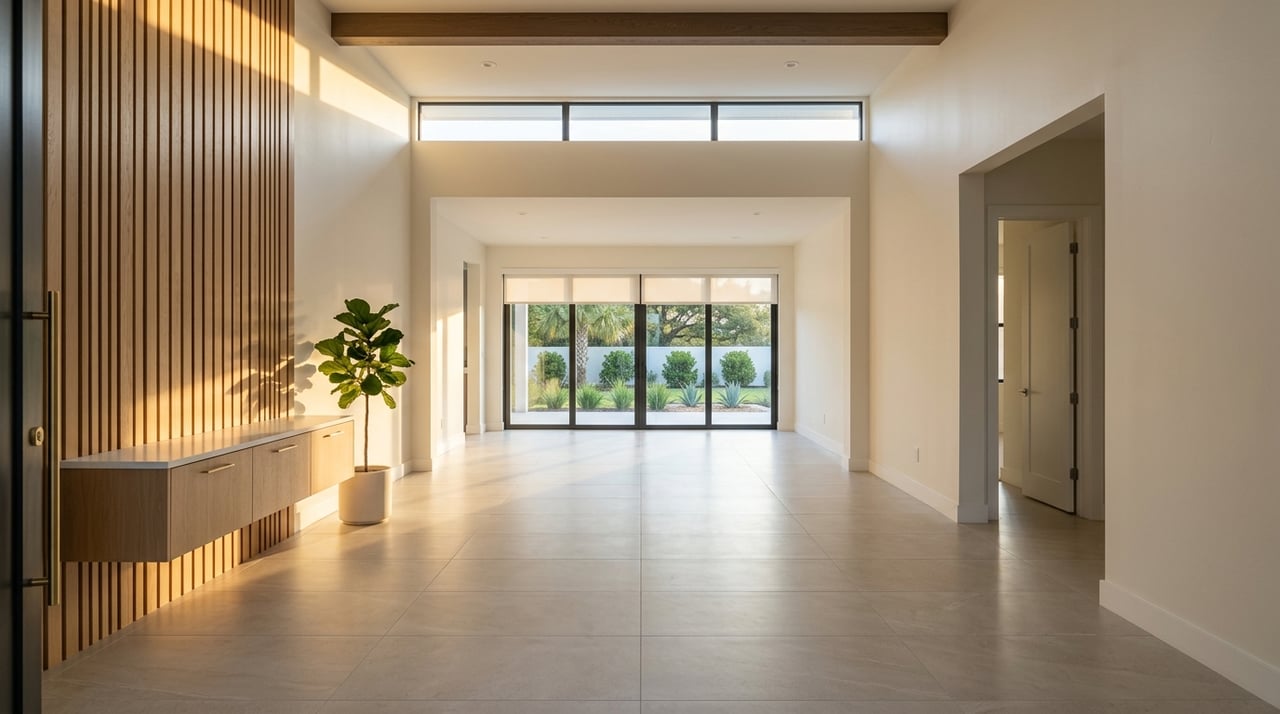
Buying And Selling At The Same Time In Winter Park
April 16, 2026
April 16, 2026
Trying to buy and sell a home at the same time in Winter Park can feel like juggling three moving targets at once. You want to protect your finances, avoid unnecessary stress, and line up your timing without ending up between homes. The good news is that today’s market offers a bit more flexibility than the frenzy of recent years, and with the right plan, you can make a same-time move feel much more manageable. Let’s dive in.
In early 2026, Winter Park appears to be in a more balanced market than many sellers saw in the past few years. Different housing data sources show different price points, but they point to a similar trend: buyers and sellers have more breathing room, and homes are generally taking longer to move than in a peak seller’s market. For example, Realtor.com’s Winter Park market overview reported 294 homes for sale, a 97% sale-to-list ratio, and 81 median days on market in February 2026.
That broader shift matters if you are trying to buy and sell at the same time. The Orlando Regional REALTOR® Association February 2026 market report showed 6.34 months of supply across the metro area, along with 83 average days on market and a 5.88% mortgage rate. In practical terms, that means sellers may need to price carefully, while buyers may have somewhat more room to negotiate than they did in a highly competitive market.
When you are buying and selling at the same time, your first major decision is the order of events. Most homeowners start by selling first, but that is not the only option.
For many households, selling first is the lowest-risk path. The Consumer Financial Protection Bureau notes that people who want to move usually try to sell their current home before buying another one.
This approach can help you:
In a market like Winter Park, where homes may spend more time on the market than they once did, this can be a smart way to create clarity before you commit to your next purchase.
Buying first can make sense if you find a replacement home that is hard to duplicate and you have the financial ability to handle some overlap. That could mean using cash reserves, available equity, or temporary financing.
Still, this path comes with more risk. If your current home does not sell on your timeline, you may need to carry two housing costs for a period of time, plus related expenses like insurance, utilities, and moving costs.
A middle-ground approach is to make an offer that includes a home-sale contingency. According to Freddie Mac’s explanation of contingencies, a home-sale contingency is a normal protection for buyers who need proceeds from their current home before they can close on the next one.
In a balanced market, this may be more workable than it would be in a very hot market. However, contingencies can also make your offer less attractive to a seller because they add uncertainty and timing risk.
A same-time move is really about managing three separate timelines at once:
Once your offer is accepted, the closing window is often tighter than many people expect. Freddie Mac says the closing period typically takes 30 to 45 days, with an average purchase-loan close of 43 days. The CFPB also says your Closing Disclosure must arrive at least three business days before closing, according to its home buying guidance.
That means even a small delay can affect your entire move. If your buyer needs extra time, your lender needs another document, or inspection negotiations take longer than expected, the domino effect can be real.
Contingencies are one of the main tools that can make a same-time move safer. They create defined ways to pause, renegotiate, or exit a contract if certain conditions are not met.
The CFPB recommends protections such as financing and inspection contingencies, and Freddie Mac explains how home-sale contingencies can help when you need your current home to close before the next one.
The most common contingencies include:
These terms are not just legal details. They are part of your strategy, especially when you are trying to coordinate two transactions at once.
Sometimes the biggest challenge is not finding a buyer or finding a home. It is covering the gap between the two closings.
If you need to buy before selling, the CFPB defines a bridge or swing loan as temporary financing that is later replaced by permanent financing, often with proceeds from your existing home sale. The CFPB also notes that second mortgages and HELOCs can be ways to tap equity, but they increase your debt burden and repayment risk, as outlined in its Regulation C commentary.
You also need to account for transaction costs. The CFPB says closing costs typically run about 2% to 5% of the purchase price, not including your down payment. When you are buying and selling in the same season, those costs can stack up fast.
Even with strong planning, two closings do not always line up perfectly. That is why a backup housing plan matters.
In Winter Park, interim housing is available, but it is not necessarily inexpensive. Zillow’s local data shows average rent at $1,824 per month as of March 31, 2026, while Realtor.com’s Winter Park overview shows a median rental price of $2,275 and 145 rentals in February 2026.
If your sale closes before your purchase, consider whether one of these options fits your budget and comfort level:
Thinking through this before you need it can reduce pressure and give you more confidence during negotiations.
If you are moving from one Florida homestead to another, tax planning should be part of your moving strategy. The Florida Department of Revenue says eligible homeowners may be able to transfer all or part of their Save Our Homes assessment difference to a new Florida homestead.
For Orange County homeowners, the Orange County Property Appraiser portability guidance says portability can transfer up to $500,000 of accumulated assessment difference. That can make a meaningful difference whether you are upsizing, downsizing, or simply relocating within the region.
According to Orange County’s portability guidance, you must:
Florida law generally requires homestead applications by March 1, with limited late-filing exceptions. Orange County also notes that the prior homestead must be abandoned, even though you do not necessarily have to sell the old property immediately.
For downsizers in particular, portability can help soften the financial impact of a move. If the new homestead has a lower value, Orange County says the same percentage of prior tax savings may carry over.
Buying and selling at the same time is not just about finding the right house or attracting the right buyer. It is about coordinating negotiations, inspections, financing, title work, and closing dates so your move works as smoothly as possible.
The Orlando Regional REALTOR® Association notes that REALTORS® can help with local market information, price and term negotiations, inspections, title, financing options, and closing coordination. The CFPB also encourages buyers to build a network of advisors because one professional usually does not cover every issue.
That kind of support matters even more in a same-time move. In Winter Park, where timing, pricing, and backup plans all play a role, a detailed local strategy can help you move once instead of twice and make decisions with less guesswork.
If you are planning a move in Winter Park and want a clear step-by-step strategy for both sides of the transaction, Gwyn Picerne offers hands-on guidance backed by local market insight, thoughtful planning, and personalized support.




With a foundation built across fashion, insurance, and real estate, we bring creativity, strategy, and dedication to every client experience. Whether you're buying, selling, or investing, we're here to help you navigate your journey with confidence and care. Let’s turn your goals into success—together.