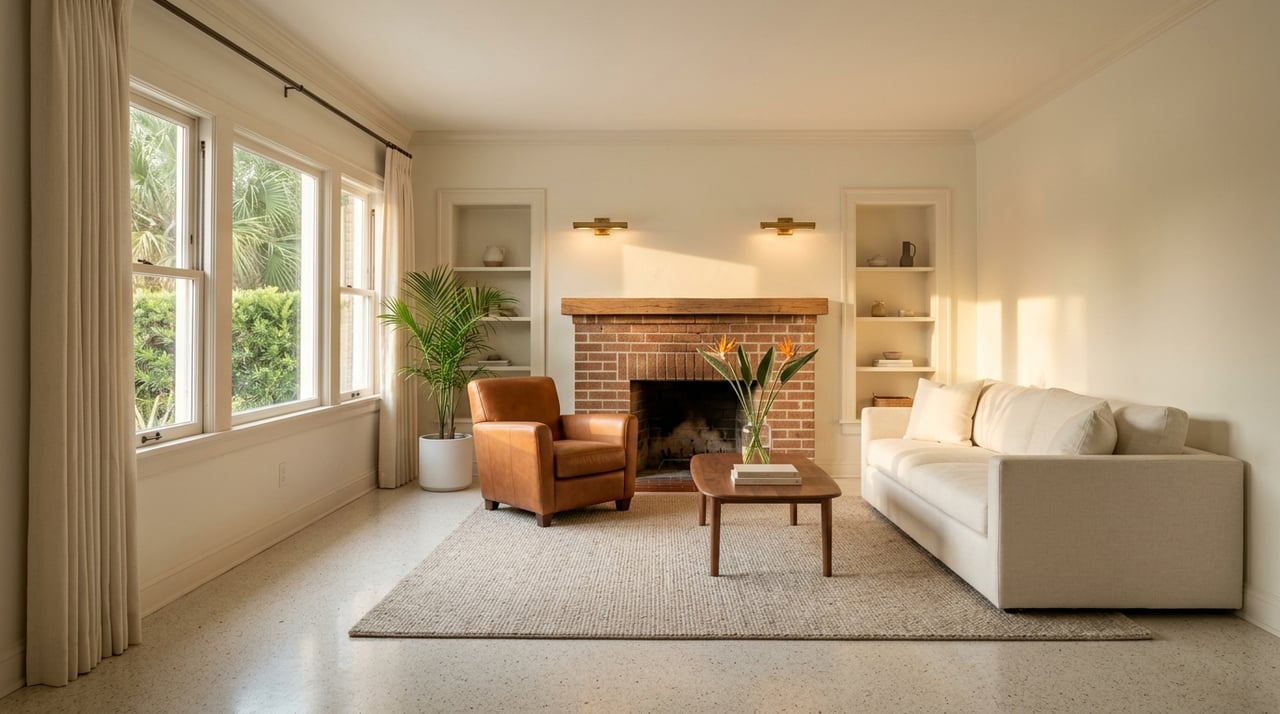
Staging A Historic Winter Park Home For Today’s Buyers
May 7, 2026
May 7, 2026
Wondering how to make a historic Winter Park home feel fresh to today’s buyers without stripping away the details that make it special? That balance matters here more than in many markets, because Winter Park’s identity is closely tied to its historic architecture, traditional neighborhoods, and landmark buildings. If you are preparing to sell, the goal is not to modernize away the home’s story. It is to present that story clearly, beautifully, and in a way buyers can picture themselves living in. Let’s dive in.
Winter Park has recorded more than 700 historic structures, which the city says make up about 7% of residential dwellings. The city’s architectural survey notes that common early-20th-century styles include Bungalow, Colonial Revival, Spanish Colonial, Mediterranean Revival, and Mission Revival. That means many buyers in this market are not just shopping for square footage. They are also responding to architectural character, scale, and craftsmanship.
In a market where buyers have options, presentation matters. Realtor.com’s Winter Park market snapshot shows a median listing price of about $565.5K and median days on market of 56. When buyers can compare several homes, staging helps yours stand out online and feel more polished in person.
Staging also has measurable benefits. According to the National Association of Realtors’ 2025 Profile of Home Staging, 83% of buyers’ agents said staging made it easier for buyers to visualize a property as a future home. The same report found that 49% of sellers’ agents said staging reduced time on market, and 29% said it produced a 1% to 10% increase in the dollar value offered.
For a historic home, staging works best when you think of it as preservation plus presentation. You are not trying to erase age or make the house look like new construction. You are helping buyers see how original details and everyday comfort can work together.
Winter Park’s Historic Preservation Division says historic designation is an overlay to zoning and does not require owners to restore their homes. The city also does not review interior remodeling, though it encourages owners to preserve interior features such as heart pine floors, fixtures, cypress paneling, and built-ins. That is helpful for sellers, because it means your staging plan can focus on highlighting what is already there.
National Park Service preservation guidance supports the same idea. Character-defining materials and features should be retained and preserved, and changes should not create a false historic appearance. In simple terms, your home should feel authentic, not themed.
The best historic-home staging usually begins with subtraction. When buyers walk in, they should notice the details that make your home unique, not the extra furniture, busy decor, or visual clutter that hides them. Original trim, windows, floors, fireplaces, built-ins, porches, and millwork should be easy to see in both photos and showings.
This matters in Winter Park because the city specifically points owners toward preserving features like heart pine floors, cypress paneling, fixtures, and built-ins. If your home includes these elements, staging should frame them as assets. Clear surfaces, lighter accessories, and simpler furniture placement can help those details read more clearly.
A good rule is this: if an item blocks a sightline to a historic feature, reconsider it. The architecture should be the focal point. Your furnishings should support the room, not compete with it.
Today’s buyers still want a home to feel current and easy to live in. That does not mean every room needs to be stripped of personality or staged like a showroom. It means the home should feel calm, bright, and cohesive.
The National Association of Realtors’ consumer staging guidance recommends neutral colors such as beige, gray, or soft white and warns against clutter, overcrowded rooms, and overly bold decor. In a historic Winter Park home, that advice is especially useful because quieter styling allows room proportions and architectural details to stand out.
Choose furniture that fits the scale of the room. Many older homes have smaller or more defined spaces than newer floor plans, so oversized sectionals, bulky bed frames, or heavy accent pieces can make rooms feel tight. A better approach is furniture with cleaner lines and enough open space around it to let the room breathe.
Lighting matters too. If your home has charming original fixtures, let them shine where practical. If lighting needs support, add simple lamps or updated bulbs that brighten the space without drawing attention away from the architecture.
Not every room needs the same level of attention. NAR reports that the living room, primary bedroom, and kitchen are the rooms buyers consider most important to stage. Sellers most commonly stage the living room, primary bedroom, dining room, and kitchen.
For a historic Winter Park home, start with the spaces that create the first emotional impression and photograph best:
These spaces often do the heaviest lifting online and during in-person tours. Since buyers increasingly rely on listing photos, video, and virtual tours, every major viewpoint should feel clean, balanced, and intentional.
Before the first showing, your home should already be ready for professional photography. NAR’s 2025 staging data notes that photos, physical staging, videos, and virtual tours are important to buyers. That is especially true for a historic home, where charm often comes through best in layered visuals such as exterior shots, front entry views, and detail-rich interior photography.
Photo-ready staging means paying attention to what the camera sees, not just what feels acceptable in daily life. Empty counters, clear walkways, straightened rugs, clean windows, and open sightlines all matter. Buyers may form their first opinion on a small screen, so every image should help the home feel memorable and easy to understand.
If virtual staging is used, material photo enhancements should be disclosed so buyers are not misled. The goal is to help buyers picture possibilities, not create confusion about what is actually there.
If your home is designated historic or located in a historic district, exterior-visible changes may need extra care. Winter Park’s Historic Preservation Division administers the city’s preservation ordinance, maintains the local register, and accepts Certificate of Review applications for additions and alterations to historic properties. The city says changes are allowed when they are compatible with the existing architecture, and character-defining features should not be changed, destroyed, or obscured.
That does not mean you cannot improve curb appeal. It means you should verify whether any exterior-visible prep work needs approval before work begins. If you are considering paint changes, lighting updates, façade work, or other visible improvements, confirm the requirements with the city first.
This is an important part of selling wisely. Smart staging should support the home’s market appeal without creating unnecessary delays or avoidable issues.
Historic homes can lose their edge when sellers try too hard to make them look trendy. Buyers in Winter Park are often drawn to authenticity, so staging choices should respect the home’s age and style.
Try to avoid these common mistakes:
National Park Service guidance warns against conjectural or fake historic details and against creating a false sense of historic development. That makes sense from both a preservation and marketing perspective. Buyers want to trust what they are seeing.
Not every seller needs full-service staging. Some homes benefit from a focused consultation, while others need hands-on furniture placement, accessory edits, and photo prep. The right level of support often depends on how furnished the home is, how complex the layout feels, and how much original detail needs to be highlighted.
According to NAR, the median cost for using a staging service was $1,500, compared with $500 when the seller’s agent handled staging. For some sellers, that makes a consultation a practical middle ground. You can get expert guidance on what to remove, what to rearrange, and what to emphasize without fully reworking the house.
If your home includes complicated original details or planned rehabilitation work, the National Park Service advises case-by-case planning with qualified historic preservation professionals during the project-planning stage. That can be especially helpful if you want to prepare the property thoughtfully while protecting important architectural elements.
The right staging plan helps buyers feel two things at once. First, they see the authenticity of the home. Second, they can imagine living there comfortably today.
That is the sweet spot for a historic Winter Park listing. You are not trying to turn a bungalow into a blank box or make a Mediterranean Revival home feel generic. You are helping buyers appreciate the craftsmanship, understand the space, and connect emotionally with a home that feels both rooted and livable.
If you are getting ready to sell a historic home in Winter Park, thoughtful preparation can make a meaningful difference in how your property is received. When you need local guidance on how to position your home for today’s buyers while respecting what makes it special, connect with Gwyn Picerne.


With a foundation built across fashion, insurance, and real estate, we bring creativity, strategy, and dedication to every client experience. Whether you're buying, selling, or investing, we're here to help you navigate your journey with confidence and care. Let’s turn your goals into success—together.