Thinking about trading rent for a place of your own in Apopka? You’re not alone. With tree-lined neighborhoods, nearby springs and trails, and a mix of newer subdivisions and classic Florida homes, Apopka gives you room to grow without straying far from Orlando. In this guide, you’ll learn what to expect in today’s market, the exact steps from offer to closing, the inspections that matter in Central Florida, and the down payment help available in Orange County. Let’s dive in.
Why buy in Apopka
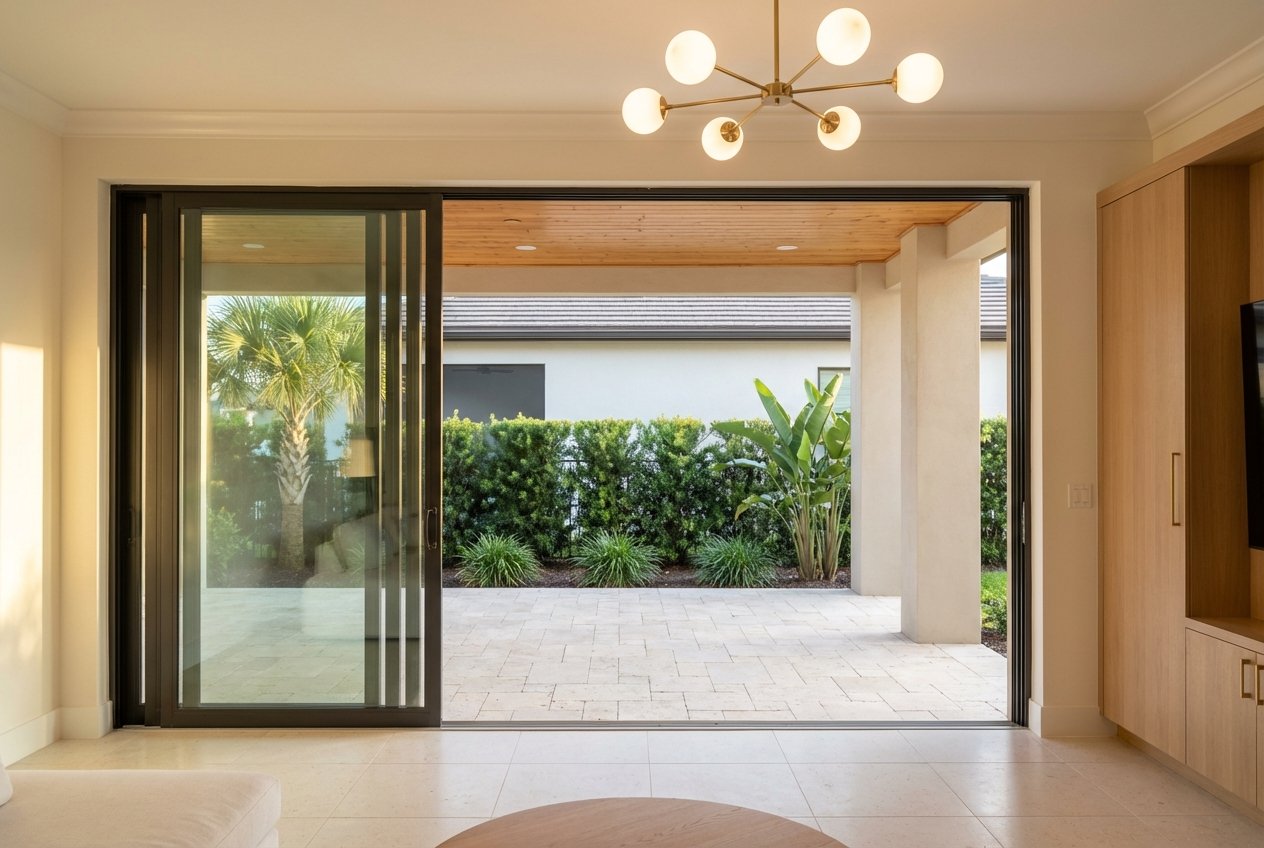
Apopka offers the suburban space many first-time buyers want, plus quick access to outdoor living. You’ll see screened pools, big backyards, and homes that lean into Florida’s indoor-outdoor lifestyle. Weekend plans are easy with crystal-clear swimming and paddling at Wekiwa Springs State Park, and you’re still within a practical commute to greater Orlando.
What to expect in this market
- Prices are mid-range for Central Florida. You’ll find options from established ranch homes to newer stucco builds in planned communities.
- Desirable homes can move faster. If a house is well priced and move-in ready, expect competition and be prepared to act.
- Renting vs. buying is a real tradeoff. If you’ve been paying rising rent, building equity with a fixed payment may be a better long-term play.
Tip: Decide your ceiling with a lender early so you can write strong, clean offers when the right home hits the market.
Your step-by-step timeline
1) Get pre-approved and choose a loan
Sit down with a lender to confirm your budget and loan type. FHA, VA, USDA, and conventional loans have different down payment and property rules. FHA often allows 3.5 percent down, but loan limits change annually by county, so confirm Orange County’s current limit with your lender. A strong written pre-approval helps you move quickly when you find the one.
2) Write a smart offer and fund escrow
Your offer will include price, timing, and a good-faith deposit into escrow with a title or escrow company. Deposit amounts vary and are negotiable. Your agent will help you structure clean terms that protect you while staying competitive.
If the home is in a homeowners association, ask early for HOA rules and fees. Florida law requires HOAs to provide estoppel certificates with key financial and rules information; have the title team request them right after you go under contract to avoid delays. See Florida’s estoppel guidance in statute 720.30851 for context on timing and content requirements (Florida HOA estoppel statute).
3) Use your inspection period fully
Most Florida buyers use the standard “AS IS” contract, which defaults to a 15-day inspection period unless you negotiate another timeline. During this window you can inspect, request repairs or credits, or cancel based on findings if you follow the contract’s notice rules. The standard form’s 15-day default is a key protection, so mark this date in bold on your calendar (Florida AS IS inspection period reference).
Order the general inspection within the first 24 to 72 hours. In Florida, a Wood Destroying Organism (WDO) inspection is separate and must be performed by a licensed pest control operator using the state WDO form. Many lenders and buyers require it (WDO inspection basics).
4) Appraisal and underwriting
Once you’re under contract, your lender will order the appraisal. If it comes in low, you may renegotiate or bring extra cash. Your lender must also provide a Closing Disclosure, and you must receive it at least three business days before closing per federal TRID rules. This timing can affect your closing date, so build in a small buffer (TRID three-day rule).
5) Insurance checks and title details
Start gathering homeowners insurance quotes right after your offer is accepted. Roof age, wind-mitigation features, and any flood-zone requirements can change premiums and eligibility. More on inspections and insurance realities is below.
Title and closing customs vary by county. In many Central Florida transactions, sellers often pay for the owner’s title policy, but terms are negotiable and should be written into the contract. Your lender will show your estimated cash to close and any credits on a Loan Estimate and later on the Closing Disclosure.
6) Closing day
Most financed sales close in about 30 to 45 days. Plan your final walk-through to confirm agreed repairs and property condition. Make sure utilities are scheduled for transfer and your down payment funds are wired per verified instructions.
Inspections and insurance that matter here
Central Florida conditions are unique. Use your inspection period to learn the home and your true costs.
- WDO and termites. Multiple termite species live here. A WDO inspection is separate from your general inspection and commonly required. If activity or prior treatment shows up, you can negotiate treatment or repairs with the seller (WDO inspection basics).
- Roof and wind mitigation. Insurers care about roof age, roof-to-wall attachments, and shutters. A wind-mitigation inspection may unlock credits on the wind portion of your premium under Florida’s mitigation verification framework. Ask the seller for roof receipts and any prior wind-mitigation reports for potential discounts.
- HVAC and moisture. Our climate is hard on air conditioning. Inspectors often flag older systems or duct issues. If the unit is near end-of-life, budget for replacement or immediate service.
- Pools, septic, and drainage. Many Apopka homes include pools, which add maintenance and equipment checks. Some outlying properties may be on septic or have unique drainage. Ask for permits and service records. If repairs need permits, confirm they were closed before closing.
- Flood zones. Proximity to lakes and the Wekiva watershed can place some properties in Special Flood Hazard Areas, which triggers lender-required flood insurance. Always pull a flood-zone check early and get quotes before waiving any contingency (FEMA Flood Map Service Center).
Down payment help for first-time buyers
You may not need to fund the whole down payment on your own. Two programs can be game-changers for eligible buyers.
- Orange County Down Payment Assistance. The county offers tiered assistance for eligible first-time buyers, with published examples including up to $70,000 for very-low income, $40,000 for low income, and $10,000 for moderate income tiers. Program rules, income limits, purchase caps, and lender participation change, so review the official page and contact Orange County HCD for current steps (Orange County down payment assistance).
- Florida Housing Hometown Heroes. This statewide program provides down payment and closing cost help for eligible workers, with assistance commonly up to $35,000 per program updates. It has credit, income, and first-time buyer rules, and you must work with a participating lender. Start that conversation early to confirm eligibility (Florida Housing Hometown Heroes).
Also discuss FHA, VA, USDA, and conventional options with your lender. FHA’s lower down payments can help with entry costs, VA offers zero down for eligible veterans, and some fringe Apopka addresses may qualify for USDA zero-down loans. Your lender will confirm loan limits and property eligibility.
Budget example and real closing costs
Here is a simple way to picture your cash to close. Numbers are for example only. Your lender will quote exact figures.
- Example price: $400,000
- Down payment: 3.5 percent FHA is $14,000; 5 percent conventional is $20,000
- Closing costs: budget roughly 2 to 5 percent of the price, or $8,000 to $20,000, which covers lender fees, title policies, prepaids for taxes and insurance, and recording. This range varies by loan and county customs (closing cost overview).
- Insurance and taxes: roof age, wind features, and any flood requirement can swing premiums. Always get quotes during your inspection window.
For accurate property tax estimates and homestead exemption steps after closing, use the Orange County Property Appraiser’s site (Orange County Property Appraiser).
Neighborhoods and homes you’ll see
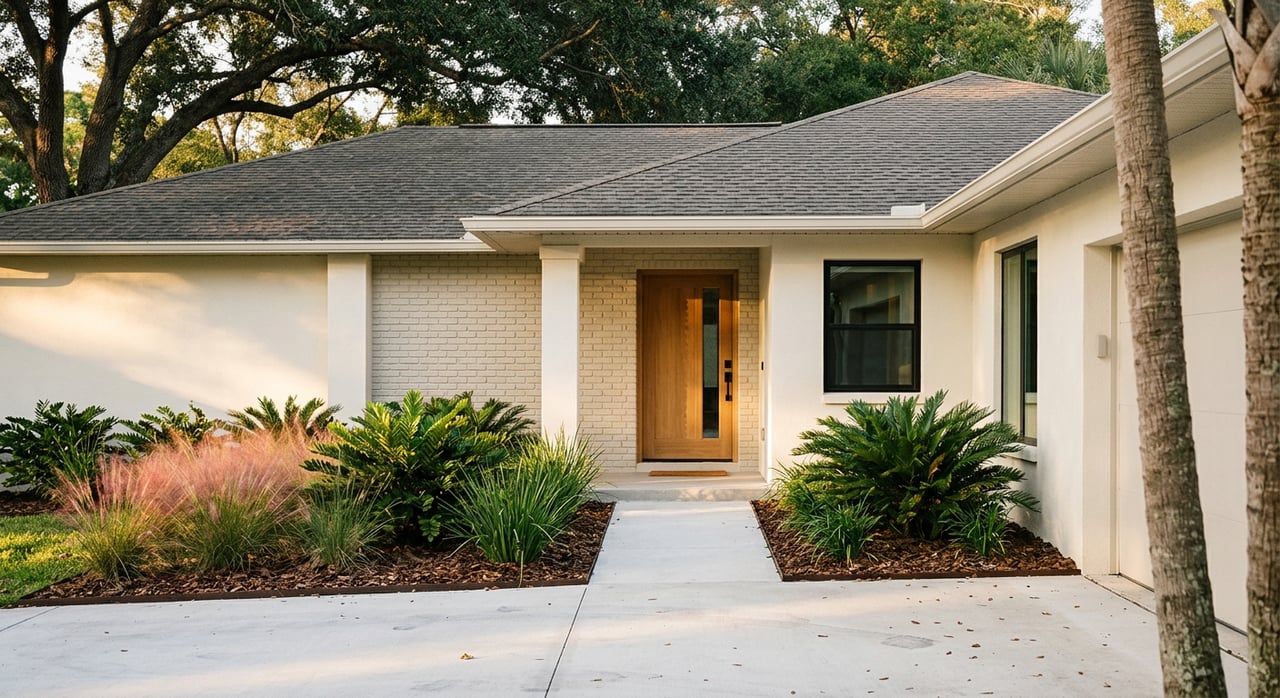
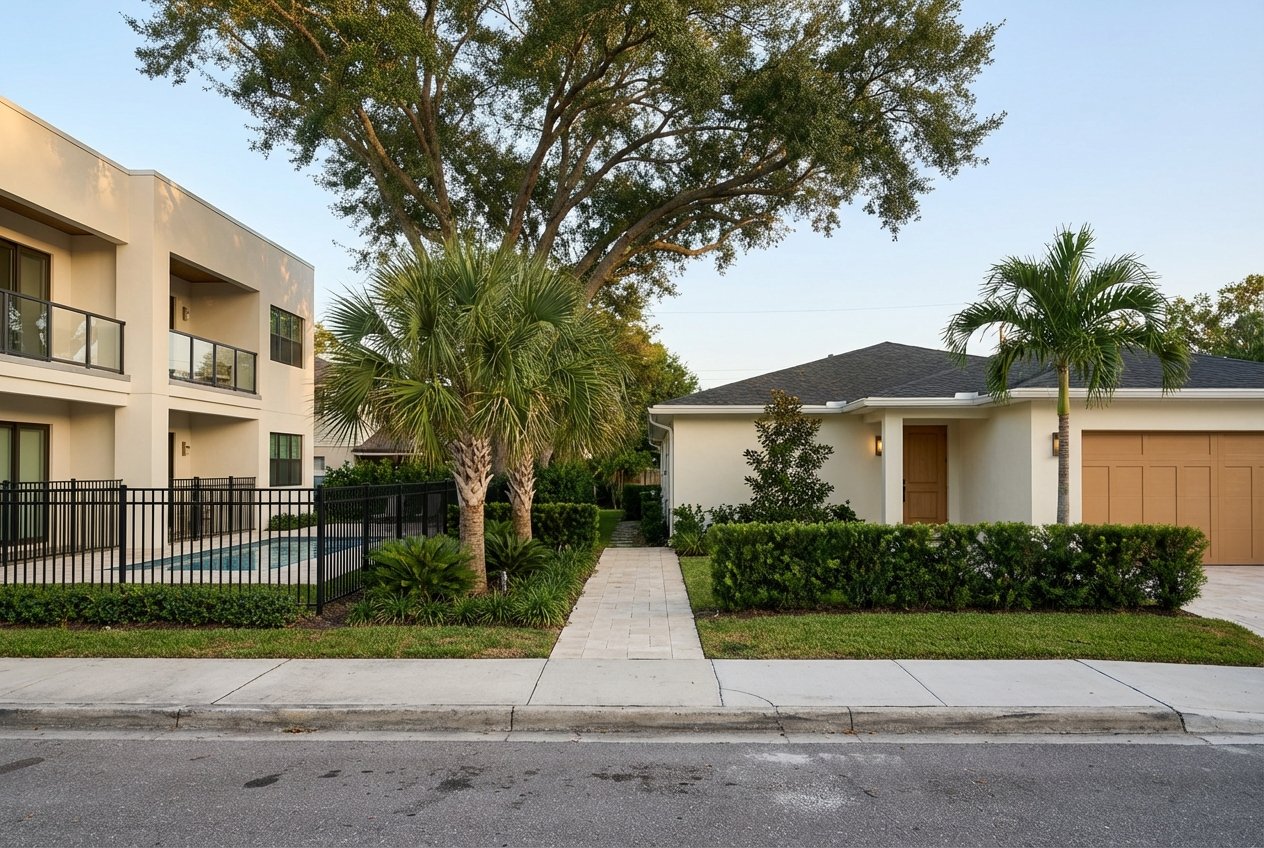
- Single-family focus. You’ll mostly tour detached homes, from older ranch or split-level plans to newer stucco builds in master-planned communities.
- Gated and estate pockets. Higher-end gated communities and golf-adjacent sections offer larger lots and private amenities.
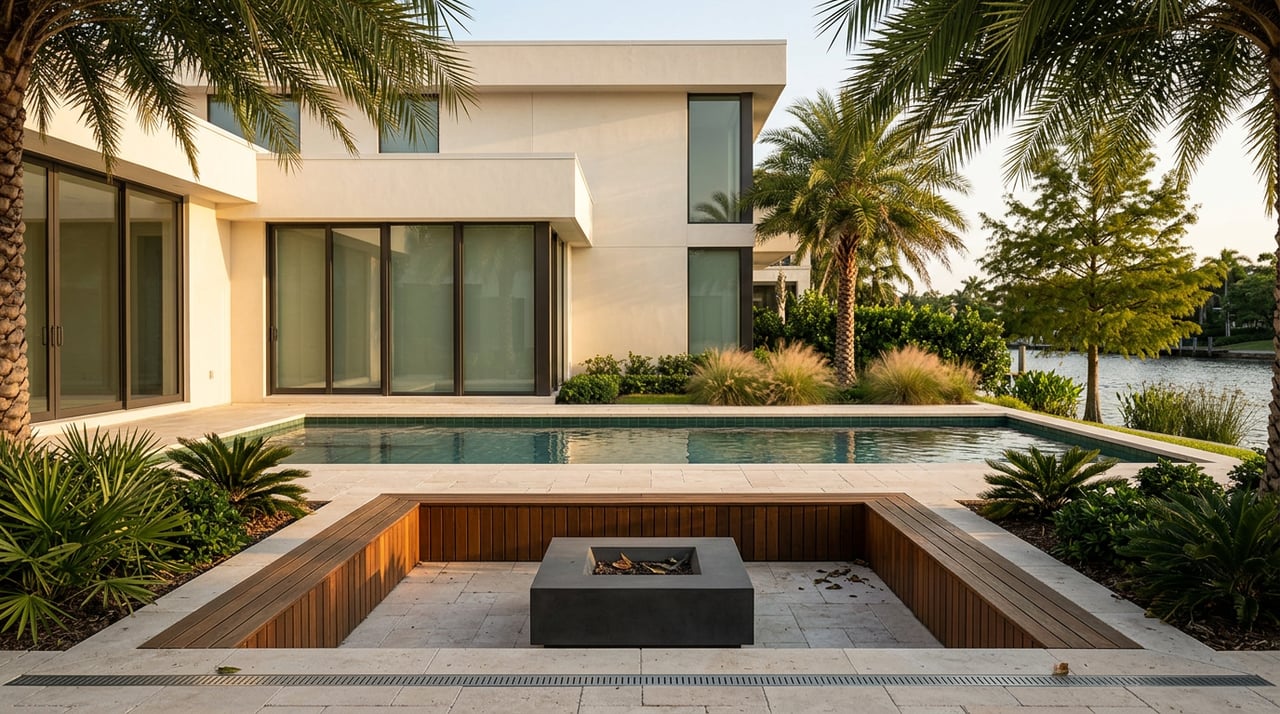
- Outdoor features. Many listings highlight screened lanais, pools, and big backyards. If you love grilling season, you’ll fit right in.
- HOA or not. Many newer subdivisions have HOAs that set rules, budgets, and amenities. Ask for governing documents early so you understand fees, pet rules, vehicle storage, and rental policies.
Quick Apopka buyer checklist
Before you write an offer
- Get a written pre-approval and set your top budget.
- Ask for the seller’s property disclosure, recent permits, roof and AC receipts, HOA contacts and resale packet if applicable.
- Do quick checks: pull a flood-zone look-up and scan tax info on the county site. Use the FEMA flood map tool and the Orange County Property Appraiser.
Right after your offer is accepted
- Deposit earnest money per the contract and confirm escrow instructions with the title company.
- Schedule your general inspection within 24 to 72 hours.
- Order specialty inspections as needed: WDO, pool, roof, sewer scope, wind mitigation.
Insurance and closing prep
- Get homeowners and any flood insurance quotes early. Ask about wind-mitigation credits if the home has qualifying features.
- Confirm who pays for the owner’s title policy in your contract. In our area, sellers often cover it, but terms are negotiable.
- Watch your inspection and loan deadlines. TRID requires you to receive the Closing Disclosure at least three business days before closing (TRID three-day rule).
Final walk-through and move-in
- Confirm agreed repairs and make sure any required permits were closed.
- Set utility transfers and schedule movers.
- After closing, file for your homestead exemption by March 1 to secure eligible tax benefits on your primary residence. Use the county appraiser’s site for details (Orange County Property Appraiser).
Buying your first home in Apopka should feel exciting, not overwhelming. With a clear plan, the right inspections, and smart use of local programs, you can move forward with confidence. If you want a hands-on partner who knows Central Florida’s neighborhoods and contract details inside and out, let’s talk. Start your search or get tailored guidance with Gwyn Picerne.
FAQs
How long does a first-time buyer purchase take in Apopka?
- Most financed purchases close in about 30 to 45 days. Appraisal timing and the federal three-day Closing Disclosure rule can affect your date, so build in a small buffer.
What is the Florida inspection period on the AS IS contract?
- The standard form defaults to 15 calendar days unless you negotiate another timeline. Use it to complete all inspections and notices on time.
What inspections are most important for Central Florida homes?
- Order a general inspection plus a separate WDO inspection, and consider roof, pool, sewer scope, and wind-mitigation checks. Insurance quotes often depend on roof condition and wind features.
How much should I budget for closing costs as a first-time buyer?
- A common estimate is 2 to 5 percent of the purchase price, plus your down payment. Your lender will provide a detailed Loan Estimate and Closing Disclosure.
Who pays for the owner’s title policy in Orange County, Florida?
- It is often paid by the seller in our region, but this is a negotiable contract term. Confirm what your offer specifies.
What down payment help is available in Orange County?
- Orange County offers tiered down payment assistance for eligible first-time buyers, and Florida’s Hometown Heroes program provides additional assistance for qualifying workers. Review both programs and speak with participating lenders early.