Leave a Message

By providing your contact information to Gwyn Picerne, your personal information will be processed in accordance with Gwyn Picerne's Privacy Policy. By checking the box(es) below, you consent to receive communications regarding your real estate inquiries and related marketing and promotional updates in the manner selected by you. For SMS text messages, message frequency varies. Message and data rates may apply. You may opt out of receiving further communications from Gwyn Picerne at any time. To opt out of receiving SMS text messages, reply STOP to unsubscribe.

Thank you for your message. I will be in touch with you shortly.

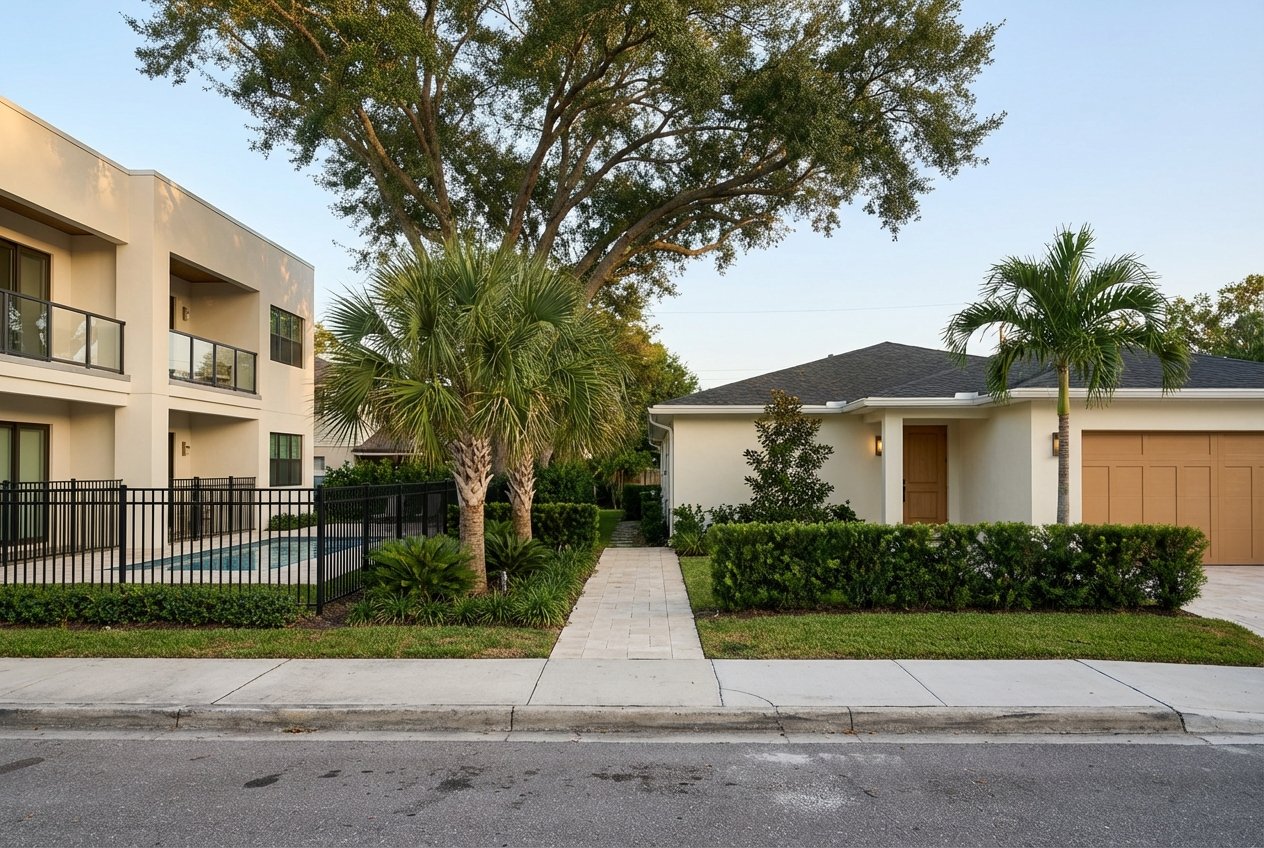
Single-Family Vs Condo Living In Altamonte Springs

February 19, 2026

Trying to choose between a single-family home and a condo in Altamonte Springs? With prices, fees, and new rules shaping the market, the best fit comes down to how you want to live and how you want to budget. You want clarity on total monthly costs, HOA dues, insurance, and what to look for before you buy. This guide breaks down real local numbers, lifestyle trade-offs, and step-by-step checklists so you can make a confident decision. Let’s dive in.

Altamonte Springs market snapshot

Altamonte Springs shows a clear price gap by property type. In an October 2025 snapshot, Prop:Metrics reported a median single-family value around $371,000 and a median condo value around $173,000 (source and date matter when comparing medians). You can review the local breakdown by property type in the Prop:Metrics data for ZIP 32714.

Other market trackers sometimes publish different citywide medians based on methodology and date. For example, Zillow’s ZHVI for Altamonte Springs ran about $290,175 through January 31, 2026. When comparing numbers, always note the source and time frame.

Housing mix also shapes the experience. Recent ACS estimates show Altamonte Springs has a majority renter-occupied share, roughly 58 percent, with about 22 to 23 thousand housing units. That means condo and apartment inventory is large relative to detached homes, which affects lifestyle, amenities, and resale dynamics. You can review the local occupancy data on Census Reporter.

What the monthly cost really looks like

Mortgage and property taxes

Your mortgage payment is only one part of the picture. Property taxes in Seminole County can be a meaningful annual cost and can change with adopted millage rates. County materials from the FY25 example show a sample single-family home with a $286,000 assessed value and a $50,000 homestead exemption facing an estimated tax bill of about $4,144. Always verify the current rates and your parcel’s TRIM notice before you budget.

Florida’s homestead exemption can reduce your taxable value on a primary residence. Check deadlines and parcel details with the Seminole County Property Appraiser.

Insurance and flood risk

  • Single-family homes usually need a full homeowners policy that covers the entire structure. Flood insurance is separate and is required by lenders if the property is in a FEMA Special Flood Hazard Area.
  • Condos typically require an HO-6 policy for the interior, personal property, liability, and optional loss assessment coverage. The association’s master policy type matters because it defines what you must insure inside your unit.

In Florida, many policyholders insured through Citizens have a phased-in flood requirement by home value. This can add a near-term cost for some buyers.

HOA dues and special assessments

Condo HOA fees in Altamonte Springs often land in the mid-hundreds per month. Recent listings in communities near Uptown and Cranes Roost have shown monthly dues roughly in the $295 to $469 range, and many include water, sewer, trash, or basic cable. These dues can rise and are not guaranteed to stay flat in the near term.

A key driver is Florida’s condo safety reform. After the 2021 Surfside tragedy, the state passed SB 4-D, which requires milestone structural inspections and structural integrity reserve studies for many 3-story-and-up buildings. These studies and required reserves can lead to higher dues or special assessments. Always request the association’s latest inspection and reserve documents.

Lifestyle trade-offs close to home

Maintenance and time

  • Single-family: You control your timeline for projects, but you also handle roof, yard, exterior, pool, and pest control. A helpful rule of thumb is to set aside 1 to 4 percent of the home’s value per year for maintenance, depending on age and condition.

  • Condo: You have less day-to-day upkeep, but you trade some control for HOA governance. Your monthly dues become a fixed obligation that can increase when the board adjusts budgets or reserves.

  • Budget guidance for maintenance: Fannie Mae’s 1–4 percent rule

Space and privacy

  • Single-family: More privacy, yard space, storage, and flexibility for outdoor living.
  • Condo: Smaller footprint with shared walls, but more convenience and often better walkability to shopping, dining, and parks around Uptown Altamonte and Cranes Roost.

Flexibility for resale or renting

  • Single-family: Broad buyer pool and fewer project-level financing hurdles. Resale is driven by lot, condition, and comparable homes.

  • Condo: Resale can depend on the association’s financials, insurance, reserves, and eligibility with lending agencies. Ask your lender if the project is considered warrantable and whether it requires a full review.

  • Lender project eligibility tool: Fannie Mae Condo Project Manager

If you plan to rent, confirm whether the HOA allows it and what the city requires. Altamonte Springs requires a Business Tax Receipt for rental activity and enforces licensing and tax remittance rules.

Financing and building rules that change the condo equation

  • Florida’s SB 4-D requires certain buildings to complete milestone inspections and Structural Integrity Reserve Studies. These reports guide what must be saved for major repairs and by when. Ask for copies and for any board-adopted funding plan.
  • Lenders review condo projects for eligibility. Owner-occupancy ratios, reserve funding, insurance coverage, and delinquency rates can affect your loan options and timeline. Build in extra time for project review when you write your offer.

How to choose your fit

  1. Map your lifestyle. Decide how much maintenance you want, how much privacy you need, and how important walkability is to you.
  2. Compare total monthly costs. Include mortgage principal and interest, taxes, insurance, utilities, routine maintenance, HOA dues, and a reserve for big-ticket repairs.
  3. Stress test the budget. For condos, model an HOA increase or a special assessment. For single-family, apply the 1 to 4 percent maintenance rule.
  4. Think about the next 5 to 7 years. If you might move or rent, weigh financing, rental rules, and resale dynamics for your chosen property type.
  5. Get local documents early. Ask for condo association financials or, for homes, recent repair receipts and insurance claim history.

Due diligence checklists

For condos: what to request

  • Current HOA budget, bank statements, and reserve balances
  • Structural Integrity Reserve Study (SIRS) and any milestone inspection reports
  • Any board resolutions on funding plans or remedial work
  • Master insurance declaration page and hurricane or flood deductibles
  • Percentage of owner-occupants vs rentals and any rental caps
  • Litigation disclosures and minutes from recent board meetings
  • Confirmation of FHA, VA, or agency approval status from the listing agent and your lender

For single-family homes: what to check

  • Seller disclosures and permits or receipts for roof, HVAC, plumbing, and electrical

  • Pest and termite treatment records

  • Prior flood or insurance claims, plus current insurance quotes

  • Flood zone status and elevation certificate if applicable

  • Utilities and systems (municipal water and sewer vs well and septic)

  • Check flood zones by address: FEMA Map Service Center

  • Homestead, parcel data, and TRIM notices: Seminole County Property Appraiser

Red flags to watch

Condo-specific

  • Missing or incomplete SIRS or milestone inspection reports
  • Low reserves or no adopted plan to fund required structural items
  • Very high hurricane deductibles on the master policy and low loss assessment coverage on your HO-6
  • Owner-occupancy below common lender thresholds or high delinquency rates
  • Ongoing or recent association litigation

Single-family specific

  • Aging roof, HVAC, or plumbing without permits or receipts
  • Evidence of chronic moisture, drainage issues, prior flood claims, or failing septic
  • Recorded liens or open permits that could delay closing

The bottom line

If you value space, privacy, and full control of your property, a single-family home can be a strong fit, though you should plan for a higher and more variable maintenance budget. If you want lower daily upkeep, on-site amenities, and convenient access to Uptown Altamonte and Cranes Roost, a condo can deliver that, but you accept HOA rule sets, dues that can change, and association risk in today’s SB 4-D environment. In Altamonte Springs, the current price gap, local tax settings, flood rules, and condo reserve requirements all play into the decision. The right choice is the one that aligns your lifestyle with a budget you can comfortably sustain.

Ready to compare specific homes and condos side by side, with real numbers? Reach out to Gwyn Picerne to walk through options, line-item costs, and neighborhood fit.
FAQs

What is the price gap between single-family homes and condos in Altamonte Springs?

  • Prop:Metrics reported medians around $371,000 for single-family homes and $173,000 for condos as of October 2025; always confirm current figures and dates.

How much are typical condo HOA dues in Altamonte Springs?

  • Many local condos show dues in the mid-hundreds per month, with recent examples roughly $295 to $469 and some utilities included; verify the exact amount and what it covers.

How do Seminole County property taxes affect my monthly budget?

  • Taxes depend on assessed value, exemptions, and adopted millage; review your parcel’s TRIM notice and homestead eligibility through county resources before you finalize a budget.

Why does Florida’s SB 4-D condo law matter to buyers?

  • It requires inspections and structural reserve funding for many 3-story-and-up buildings, which can increase HOA dues or trigger special assessments; ask for the latest reports.

Can I use a condo for short-term rentals in Altamonte Springs?

  • It depends on HOA rules and local requirements; the city requires a Business Tax Receipt and tax remittance for rental activity, and some associations limit rentals.

What insurance do I need for a house vs a condo in Altamonte Springs?

  • Houses typically need a full homeowners policy, plus flood insurance if required; condos need an HO-6 for interior coverage and to coordinate with the association’s master policy.

Driven by Purpose, Guided by Experience

With a foundation built across fashion, insurance, and real estate, we bring creativity, strategy, and dedication to every client experience. Whether you're buying, selling, or investing, we're here to help you navigate your journey with confidence and care. Let’s turn your goals into success—together.