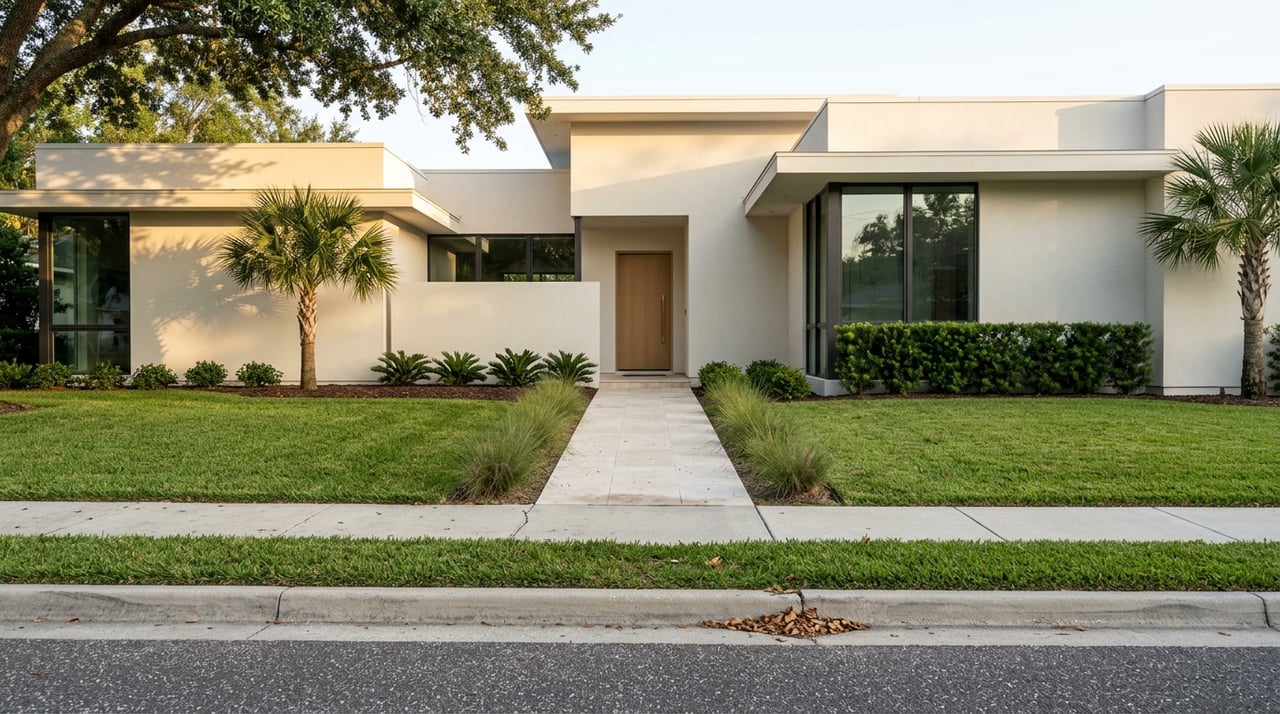
How To Choose The Right Winter Park Neighborhood
July 23, 2026
July 23, 2026
Wondering which Winter Park neighborhood is the right fit for your life? That question matters more here than in many nearby markets, because Winter Park is not one single lifestyle. If you are buying, relocating, or planning your next move, understanding how each area feels day to day can help you choose with more confidence. Let’s dive in.
Winter Park is a compact, historic city known for Park Avenue, Central Park, a chain of lakes, and a strong arts-and-culture identity. The city also features 75 parks and well-known civic events like the Winter Park Sidewalk Art Festival, Autumn Art Festival, and the weekly farmers’ market.
That mix gives Winter Park a layered feel. Some areas are centered on walkability and daily convenience, while others are better known for historic homes, lake access, or recreation. Your best neighborhood match usually comes down to the lifestyle you want most.
Before you compare streets and home styles, get clear on what matters in your routine. The right neighborhood is often the one that makes your weekdays easier, not just your weekends prettier.
Ask yourself questions like:
When you know your top two or three priorities, it becomes much easier to narrow your search.
Downtown Winter Park is the city’s primary retail core, with Central Park at the center of the shopping district. This area also includes the train station, the farmers’ market, and close access to dining and cultural venues.
If you want a compact urban feel, this is often the strongest fit. Winter Park’s planning pattern grew around the train station, which helps explain why the core still feels especially walkable today.
Buyers drawn to downtown usually prioritize convenience over yard size. The area is shaped by city policies that preserve a village-scale character, including limits on building heights facing Park Avenue and around Central Park.
That means the experience here tends to feel more intimate and pedestrian-friendly than many auto-oriented suburbs. If you picture coffee runs, park strolls, and event access without relying on the car every time, downtown may be your best match.
Hannibal Square is one of Winter Park’s original residential areas and sits west of Park Avenue. City planning documents describe it as a mixed-use district with neighborhood commercial areas and pedestrian-friendly design standards.
This part of Winter Park can be a great fit if you want an urban-feeling neighborhood with civic activity nearby. It also benefits from access to places like Shady Park and the Community Center in the historic Hannibal Square area.
The west side often appeals to buyers who want neighborhood identity and strong access to the downtown core. It offers a blend of residential streets and community-serving activity that feels distinct from the Park Avenue core.
If you like the idea of being close to local activity without needing to be right in the middle of downtown, this area deserves a close look.
If architectural character is high on your wish list, focus on areas like College Quarter, Virginia Heights, and Interlachen. Winter Park’s historic-district map identifies these among the city’s historic districts, along with Downtown.
These neighborhoods are closely tied to the classic Winter Park image. Many streets date to the 1920s and often feature mature trees, brick streets, old streetlights, and sidewalks.
In the College Quarter and Virginia Heights area, common styles include Bungalow, Mission, Mediterranean Revival, Colonial Revival, Ranch, and Frame Vernacular. Virginia Heights East, first subdivided in 1922, also includes Tudor Revival and Minimal Traditional examples.
This is the part of Winter Park that often feels most established and layered. Older homes may sit alongside newer houses, which creates variety but also means each block can feel a little different.
If you are thinking about updating or expanding an older home, be sure to factor in preservation rules early. The city notes that designated historic districts and individual historic properties may require a Certificate of Review and design review for additions or exterior changes.
That does not mean you should avoid these neighborhoods. It simply means you should plan for added review, timing, and possible cost if renovation is part of your strategy.
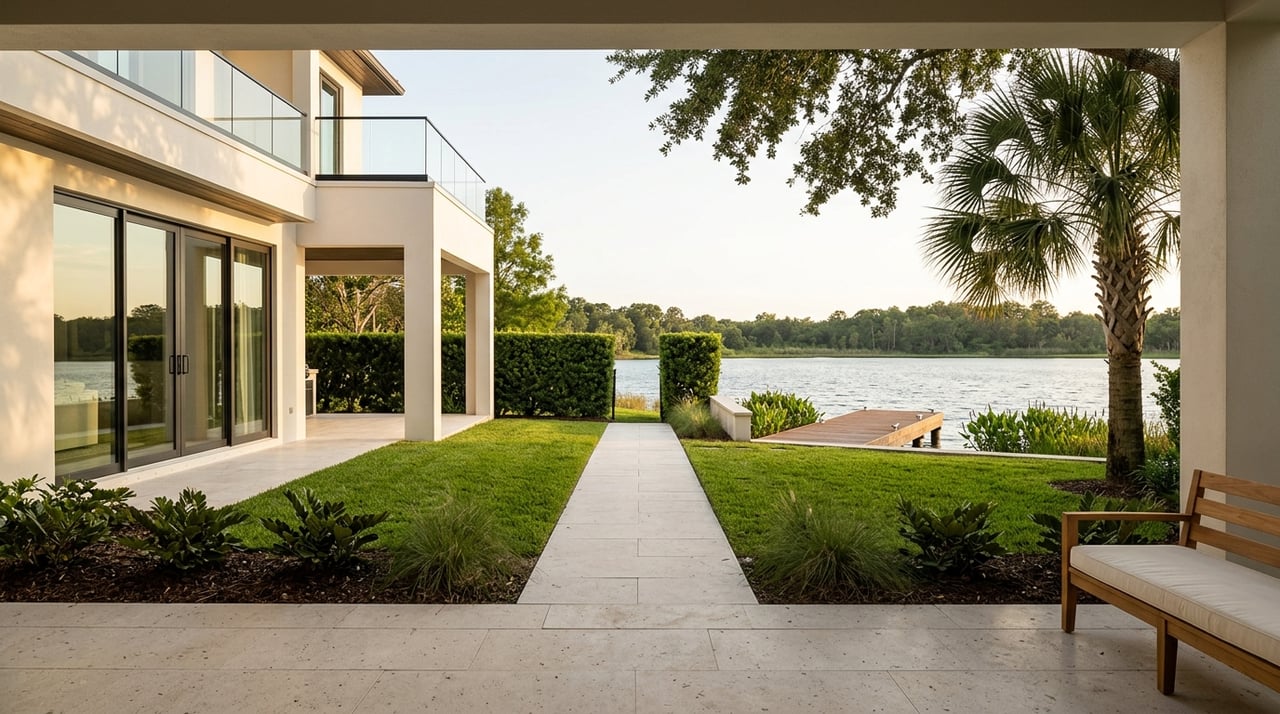
Winter Park’s lakes are a defining part of the city, and lake-oriented amenities include Kraft Azalea Garden on Lake Maitland, Dinky Dock Park with a boat ramp, and Lake Baldwin Park. Buyers who want water views, privacy, or larger lots are often drawn to these streets.
Lakefront property can offer a very different experience from the inner neighborhoods. In many cases, the lots are larger and the setting feels more private.
Lakefront homes also come with more rules and fewer easy comparisons. The city’s R-1AAA lakefront district requires at least 25,000 square feet of lot area, 150 feet of street frontage, and 150 feet of lake frontage, and the city also defines estate lots as at least one acre.
You should also expect additional shoreline review and variance considerations. If waterfront living is your priority, it helps to work with someone who understands how those property-specific details can affect your search.
Areas near Cady Way, Ward Park, and Mead Botanical Garden often appeal to buyers who value recreation and trail access. Cady Way Park connects to the Cady Way Trail, Ward Park includes a bike trail and walking path, and Mead Botanical Garden offers an amphitheater, butterfly garden, boardwalk, and bike trail.
These areas can feel somewhat more suburban than the downtown core. They are often a smart fit if your ideal routine includes outdoor activity, park access, and a little more separation from the busiest parts of town.
Winter Park is building a pedestrian and bicycle network that links neighborhoods with parks, schools, and activity centers. That supports an active lifestyle in these east and north areas.
If your priority is everyday recreation rather than maximum walkability to Park Avenue, these neighborhoods may line up better with how you actually live.
Neighborhood choice in Winter Park can meaningfully change your commute. The city supports a multimodal transportation system that includes walking, bicycling, LYNX bus service, SunRail commuter rail, and Amtrak access at the downtown station.
The city reports that seven LYNX bus routes operate within Winter Park. Key road corridors include US 17/92, SR 426 along Fairbanks and Aloma, Orange Avenue into downtown, and Lee Road connecting from I-4 to US 17/92.
That means a home that looks perfect on paper may feel less practical if it adds friction to your daily route. As you compare neighborhoods, think beyond the house itself and picture your real weekly patterns.
One useful rule of thumb is that inner Winter Park tends to mean older homes on established streets, while lakefront addresses trend larger and more regulated. The city says Winter Park has more than 700 historic structures, representing 7% of residential dwellings.
That mix is part of what makes the market feel less uniform than many newer Orlando-area suburbs. You may find bungalows, renovated older homes, newer infill construction, and estate-style lakefront properties all within the same city.
For buyers, that variety is a benefit. It also means you should compare homes in the context of their specific micro-location, not just the broader Winter Park name.
If school assignment is part of your decision, verify it by exact property address. Orange County Public Schools zones students based on home address and provides map and text search tools.
That is important because neighborhood names do not always tell the full story. A smarter approach is to narrow your preferred area first, then confirm zoning once you are evaluating specific homes.
If you feel torn between several parts of Winter Park, keep it simple. Match your lifestyle to the neighborhood type that best supports it.
The best Winter Park neighborhood is the one that fits your real routine, priorities, and long-term plans. If you want help comparing homes, blocks, and micro-locations in a practical way, Gwyn Picerne can help you make a confident move.
Real Estate
With a foundation built across fashion, insurance, and real estate, we bring creativity, strategy, and dedication to every client experience. Whether you're buying, selling, or investing, we're here to help you navigate your journey with confidence and care. Let’s turn your goals into success—together.