Thinking about selling your Windermere home and wondering if a pre-listing inspection is worth it? You want a smooth sale, fewer surprises, and the strongest offer possible. A pre-listing inspection can help, but it is not a fit for every property or strategy. In this guide, you’ll learn when it makes sense, what it costs, how it impacts insurance and disclosures in Florida, and a simple checklist to decide. Let’s dive in.
What a pre-listing inspection is
A pre-listing inspection is a visual review of your home’s major systems before you go to market. The inspector documents the roof, HVAC, plumbing, electrical, interior, exterior, and other visible components, then recommends repairs or specialists as needed. This gives you a clearer picture of what a buyer’s inspector might find.
For a plain-English primer on how these work, see an overview of pre-listing inspections.
Why it matters in Windermere
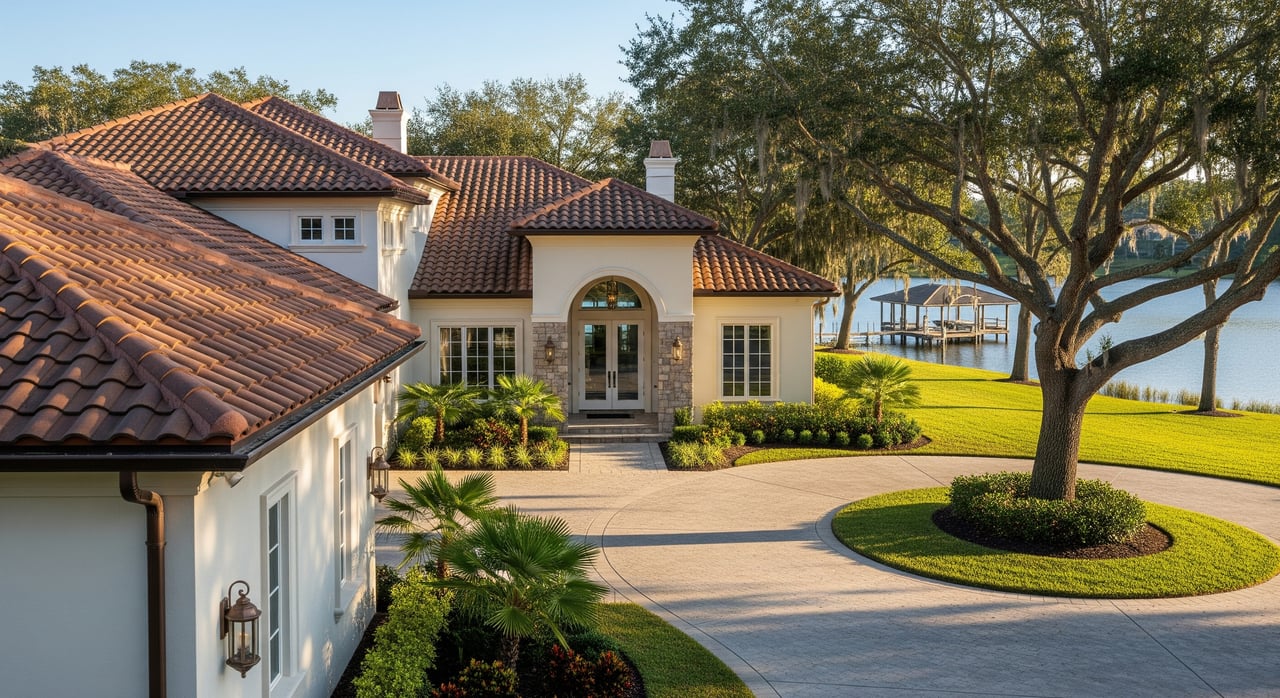
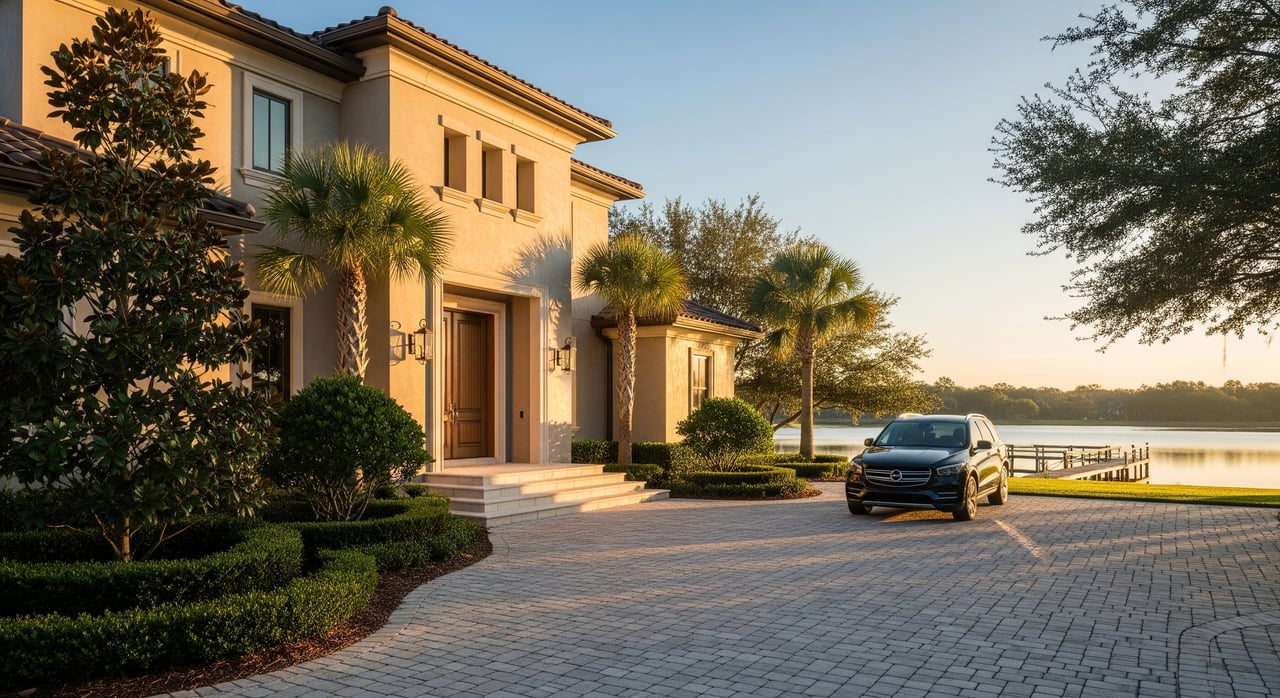
Windermere homes often feature pools, lanais, tile or metal roofs, mature landscaping, and lakefront elements. Our Central Florida climate brings heat, humidity, and seasonal storms. Inspections here tend to focus on roof age and flashing, HVAC performance, moisture and ventilation, drainage and grading, and wood-destroying organisms. Many buyers also ask about insurance-related items like roof life or wind protection.
If your property sits near a lake, buyers may ask about flood risk. You can check your flood zone to understand potential insurance and due diligence questions.
Pros and cons for sellers
Every home is different. Use these points to weigh your decision.
Key benefits
- Anticipate buyer objections. You can repair, price-adjust, or disclose issues upfront rather than renegotiate later.
- Speed and certainty. Fewer surprises during the buyer’s inspection period can mean fewer delays and cancellations.
- Marketing confidence. Sharing a recent inspection, wind-mitigation report, or WDO (termite) clearance can reassure buyers.
- Insurance readiness. In Florida, insurers often ask for wind-mitigation and 4-point details. Having documentation can make it easier for buyers to secure coverage.
- Better repair planning. Clear findings help you get targeted estimates and choose cost‑effective fixes.
Possible downsides
- You must disclose known material defects. In Florida, once you learn about an issue, you must be honest about it with buyers. See more on Florida seller disclosure.
- Upfront cost and potential repairs. You may feel pressure to fix high-impact items to support your asking price.
- Timing and pricing decisions. Major findings right before launch can delay marketing or lead you to price as-is.
- Buyer perception. A long list of small defects can worry some buyers even if items are minor.
Which inspections to consider and costs
Costs vary by size and complexity. Larger Windermere homes often land at the higher end. For general pricing context, see national inspection cost ranges.
- General home inspection: About $300–$700+. Broad review of visible systems with photos and notes. Good baseline for prioritizing repairs.
- Termite/WDO inspection: About $75–$150. Looks for active or prior wood-destroying organisms. In Florida, WDO checks are common in contracts.
- Wind-mitigation inspection: About $50–$200. Documents features that can earn insurance credits, like roof deck attachment and opening protection. Learn about wind mitigation credits.
- 4-point inspection: About $75–$250. Focused on roof, HVAC, plumbing, and electrical. Often requested by insurers for older homes.
- Roof inspection (specialized): About $150–$400. Detailed look at roof condition and remaining life, which often drives negotiations.
- Pool inspection: About $150–$350. Reviews structure, finish, equipment, automation, and barrier compliance.
- Sewer scope: About $100–$400. Video inspection of the line to the connection; useful in older areas.
- Mold or indoor air quality testing: About $200–$800+. Consider if there are moisture concerns.
Tip: In Florida, you can verify Florida inspector licenses and find licensed termite professionals.
How inspections affect disclosure and insurance
Disclosure in Florida
Florida law requires sellers to disclose known material defects to prospective buyers. If your pre-listing inspection reveals an issue, you must share that knowledge. Your agent can help you incorporate findings into your Seller’s Property Disclosure and listing details.
If you complete repairs, keep receipts, permits, warranties, and contractor information. Organized documentation builds trust with buyers and their lenders.
Insurance and underwriting
Wind mitigation and 4-point inspections can affect a buyer’s insurance eligibility and premium costs. Many buyers or their insurers request these, especially for older homes. Having them ready reduces one common source of delay. If you learn about insurance-related problems, expect buyers to ask for repairs, credits, or reinspections.
Permits and records
Use the county’s system to confirm any required permits for repairs and prior renovations. You can search Orange County permit records. Buyers may also review the Orange County Property Appraiser for property details.
A simple decision framework
Use these questions to decide if a pre-listing inspection fits your plan.
When it usually makes sense
- Your home is older or has a complex roof, pool, or specialty systems.
- You want to market as move-in ready and avoid late-stage negotiations.
- Insurance questions are likely, and you want wind-mitigation or 4-point documentation available.
- You prefer to control the timeline by handling repairs before launch.
When you might skip it
- You plan to price accordingly and sell as-is.
- You already know the major issues and will disclose them, or you recently replaced key systems.
- You want to avoid creating new documented knowledge close to listing and instead let the buyer inspect.
Step-by-step checklist and timeline
Follow this path to keep your sale on track.
- Talk with your listing agent about local expectations and competitive listings. Decide if a pre-listing report supports your strategy.
- Order a general pre-listing home inspection from a licensed Florida inspector. Confirm licensing through the DBPR.
- Add specialty inspections as needed: WDO, wind mitigation, 4-point, roof, pool, sewer scope, or mold.
- Get contractor estimates for flagged items. Prioritize high-impact, insurance-related, or safety issues first. Use permits and licensed contractors where required.
- If you do not repair, prepare clear disclosures and price for condition. Consider sharing your report to show transparency.
- Pull permit history and property records for buyer review via Orange County permit records and the Property Appraiser.
- Organize receipts, warranties, and any wind-mitigation or 4-point reports for buyers and insurers.
- Review how the findings affect your pricing, marketing, and timeline with your agent.
Timing: Most inspections can be scheduled and completed within 1 to 2 weeks. Minor repairs may take days to weeks. Major projects can add months, so plan ahead.
Ready to sell with confidence
A pre-listing inspection is not a one-size-fits-all move. It is a strategic tool. In Windermere, where pools, roofs, and insurance questions can shape a deal, it can give you clarity, reduce surprises, and support a confident launch. If you are weighing the trade-offs, you deserve guidance tailored to your home and goals.
If you are preparing to sell in Windermere, connect with a local advisor who will help you plan the right steps at the right time. Reach out to Gwyn Picerne to talk through your strategy.
FAQs
Do Windermere sellers have to make repairs after a pre-listing inspection?
- No; you decide whether to repair, price accordingly, or disclose and sell as-is, but known material defects must be disclosed to buyers in Florida.
Do I have to disclose defects found in a pre-listing inspection in Florida?
- Yes; once you know about a material defect, Florida law expects you to disclose it to prospective buyers, even if the buyer does not see your report.
Which inspections matter most for Windermere homes with pools?
- A general home inspection, pool inspection, and WDO are common; wind-mitigation and 4-point reports can also help with buyer insurance questions.
How much do pre-listing inspections cost in Windermere and how long do they take?
- Typical ranges: $300–$700+ for a general inspection, plus specialty add-ons; most inspections can be scheduled and completed within 1 to 2 weeks.
What if the buyer’s inspection differs from my pre-listing report?
- That can happen; review both reports with your agent, address any true defects, and focus on documented, material issues when negotiating.
How do pre-listing inspections help with homeowners insurance in Florida?
- Wind-mitigation and 4-point reports can support underwriting and potential credits, helping buyers secure coverage more smoothly.
Where can I find licensed Florida inspectors and termite professionals?
- Verify home inspector licenses through the DBPR and termite licensing through FDACS.